
Written by Alex Kubiakowska-Welch
How the government’s U-Turn on UK leaseholders is destroying the lives of those affected by the National Cladding Scandal
I tuned into the recent Housing, Communities and Local Government (HCLG) Select Committee session. The meeting had been arranged to discuss the Draft Building Safety Bill that the government intends to pass.
As a leaseholder of a one-bedroom flat in North West London, I was particularly interested in hearing what the Committee had to say about remedial costs and gain some clarification on the rumours that these costs would be incurred by leaseholders across the Country.
Any hope I initially had when listening to the conversations that unfolded, quickly diminished when, in an extraordinary U-Turn, the meeting transformed itself into a pivotal moment for leaseholders.
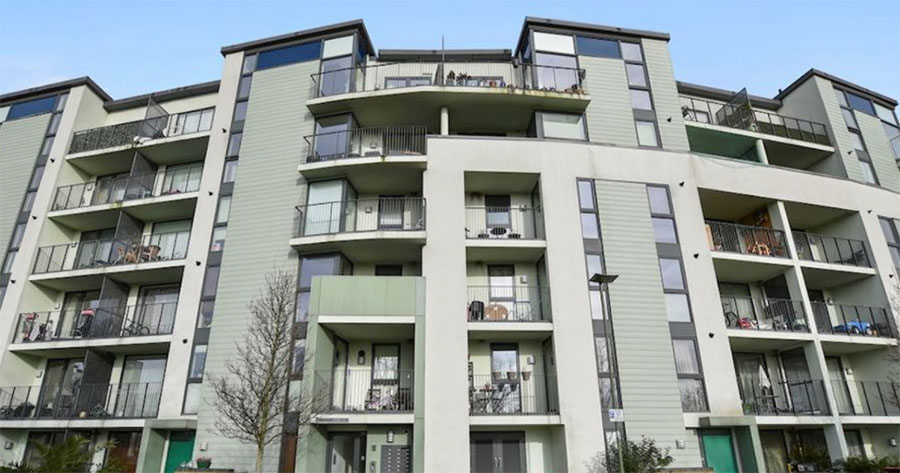
This came when Lord Greenhalgh, the Building Safety Minister, appeared to confirm that the government were looking for ways to make remedial costs “affordable” for leaseholders stating: “We made it clear even when responding to the Hackett review that some costs would fall on leaseholders and that they would not be protected from all costs.”
Visibly surprised by this change in attitude, the Chair of the meeting, Clive Bennetts, posed the question to Lord Greenhalgh, seeking to determine what he deemed “affordable costs” to be. Bennetts said: “They’re going to be destitute in many cases. I thought that was the whole idea of government funding: to stop that from happening…I think there is a change of wording of what ministers wanted in the past that needs following up”.

Indeed, many would agree. Let’s rewind a year to look at what was initially proposed.
According to the Commons Library “On 16 May 2018, the Government announced that it would meet the reasonable cost of the removal and replacement of unsafe cladding by councils and housing associations. Although the Government argued that the cost of remediation work should not fall on individual leaseholders in affected private blocks, not all developers/freeholders responded positively to these calls. On 9 May 2019, James Brokenshire, then Secretary of State at the Ministry of Housing, Communities and Local Government (MHCLG) announced that the Government “will fully fund the replacement of unsafe aluminium composite material (ACM) cladding on high-rise private residential properties where building owners have failed to do so”.
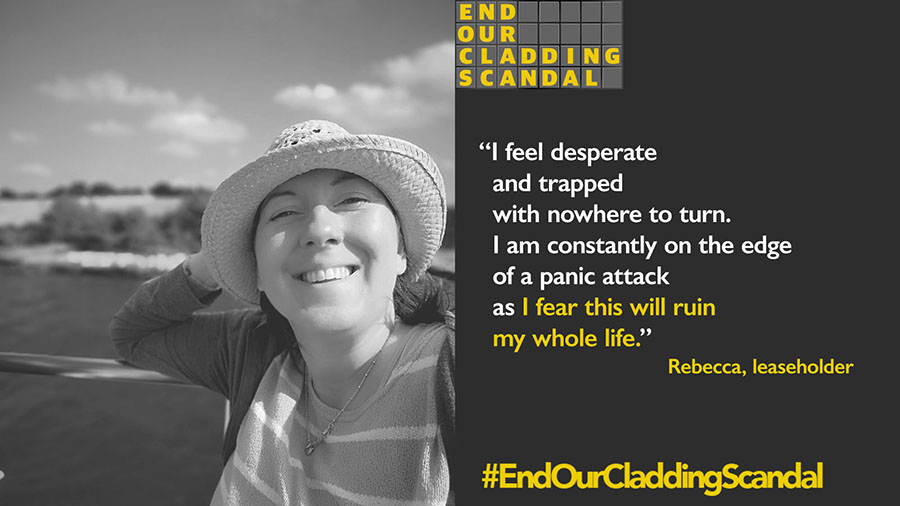
So what on earth has changed? It’s no secret that leaseholders had been fearing the drafted new Building Safety Bill and have questioned the motive behind the government and freeholders pushing costs onto those affected. Multiple campaigns already exist across the country to try and challenge and put forward case studies of how this bill could bankrupt leaseholders who are already struggling to stay afloat amidst a Global pandemic. It is no surprise that this dramatic and iron-fisted change in attitude towards leaseholders bearing the brunt of remedial works and costs has spread shockwaves through communities across the country.
With some cases of housing associations immediately evacuating residents from unsafe buildings, leaseholders and other residents now face another period of uncertainty. When will what Mr Greenhalgh said, come into effect? Could I be rehomed tomorrow due to my building being unsafe? Am I at the point where I could be made bankrupt, and what will happen if I can’t pay? All these questions inside the minds of leaseholders are reasonable and ones they wake up to consider on a daily basis.
It has been left to the residents to pick up the pieces, branch together and try and form a united front by campaigning together to try and bring an end to the cladding scandal. The emotional and mental drain this has had on communities is hard to put into words. We have heard the stories of those with families of four in a one-bedroom apartment, we hear every day of those that are living alone and battling with the crippling anxiety that they cannot help but fear they face alone.
Thank goodness for those residents that have taken it upon themselves to form campaigns across the country to make those people feel as though they have some form of outlet. Because as it stands, following that recent Committee meeting, we have yet more hurdles to overcome before there is any hope in site for justice that leaseholders have a right to achieve.
To find out more about the #EndOurCladdingScandal campaign, visit their Twitter. The Sunday Times is also leading a National campaign and are keen to hear from those affected. More information on their website.
Want to help? Sign this petition to stop leaseholders facing remediation costs.


