
Keystone XL’s cancellation and the Future of Sustainable Economics
Fresh in office, one of newly-inaugurated President Joe Biden’s first significant acts has been the release of an executive document outlining the swift cancellation of the Keystone XL Pipeline.
Proposed by TransCanada Energy in 2008 as a transcontinental expansion to an existing pipeline network, Keystone XL would be a 2,735-kilometer-long tube responsible for carrying roughly 800,000 barrels of oil from Alberta to refineries on the American Gulf Coast. Subject to public scrutiny and resistance, the pipeline has been a controversial deal since its inception, garnering outrage for its harmful effects on the environment, national economies, and local communities.

Credit: Stephanie d’Otreppe and Alyson Hurt, TransCanada/NPR
With Joe Biden’s recent announcement of cancellation, outrage and panic have broken amongst Canadian-Albertan lawmakers and fossil fuel corporations. In anticipation of the pipeline producing jobs for Albertans, at the beginning of 2020, the provincial government of Alberta agreed to invest $1.5 billion in Keystone XL, followed by a $6 billion loan guarantee in 2021. News of cancellation has led Alberta’s premier, Jason Keeney, to demand the federal government use trade sanctions to put pressure on the United States to reverse the decision. Environmental groups, indigenous communities, and activists across both countries are urging the abandonment of the project to pursue long-term economic solutions in the green economy.
Initial opposition to the project began in 2009, when Nebraska, the last state to approve the pipeline, raised concerns on behalf of its farmers who believed the pipeline would negatively impact their livestock and harvest. This concern grew into lawmakers urging the national State Department for greater environmental oversight on the project, and the Environmental Protection Agency questioning the need for an expansion.
A number of reports were carried out by various environmental agencies, groups and research collectives which found the pipeline extension would have exacerbating consequences on global climate change as well as immediate consequences on regional ecosystems, habitats and wildlife. The Centre for Ecological Diversity stated in an in-depth audit of the project, “Our analysis found that at least 12 threatened and endangered species in four states would be put in harm’s way by the proposed pipeline…Threats from this project include habitat destruction from the massive ground disturbance this pipeline would’ve caused, bird deaths from power line collisions, and the potentially catastrophic impacts of pipeline spills.” With an average of 1.9 oil spills a year, the Keystone Pipeline would release roughly 34,000 gallons of tar sand oil into the surrounding environment every year, devastating local wildlife.
Extraction and construction would have led to the rapid decline of the Boreal Forest in Alberta, and a significant loss of fauna due to destruction of habitats. The pipeline’s construction would have brought the need for new road systems and powerlines, extensively disturbing ground life like foxes, as well as creating collision hazards for airborne wildlife such as cranes and bats.

Credit: Nicolás Boullosa
Due to extensive and detrimental environmental consequences, the communities which the pipeline was set to pass through raised concerns regarding their livelihood, long-term health, and safety, for themselves as well as their agriculture, livestock and ecosystem, and the legality of the deal. First Nations groups in Alberta have gone as far as to sue the provincial government for damages caused by 15 years of oil sand development on traditional land, which they were not consulted on. In the United States, the Rosebud Sioux Tribe filed a federal lawsuit against the Department of Interior and Bureau of Land Management over their issuing a construction permit for Keystone XL. The tribe asserts that the permit issued is unconstitutional due to the negligence and failure to uphold treaty rights. The lawsuit states the government was unsympathetic to the long-term damage Keystone XL would inflict on Sioux homeland, failing to even evaluate an alternate route.
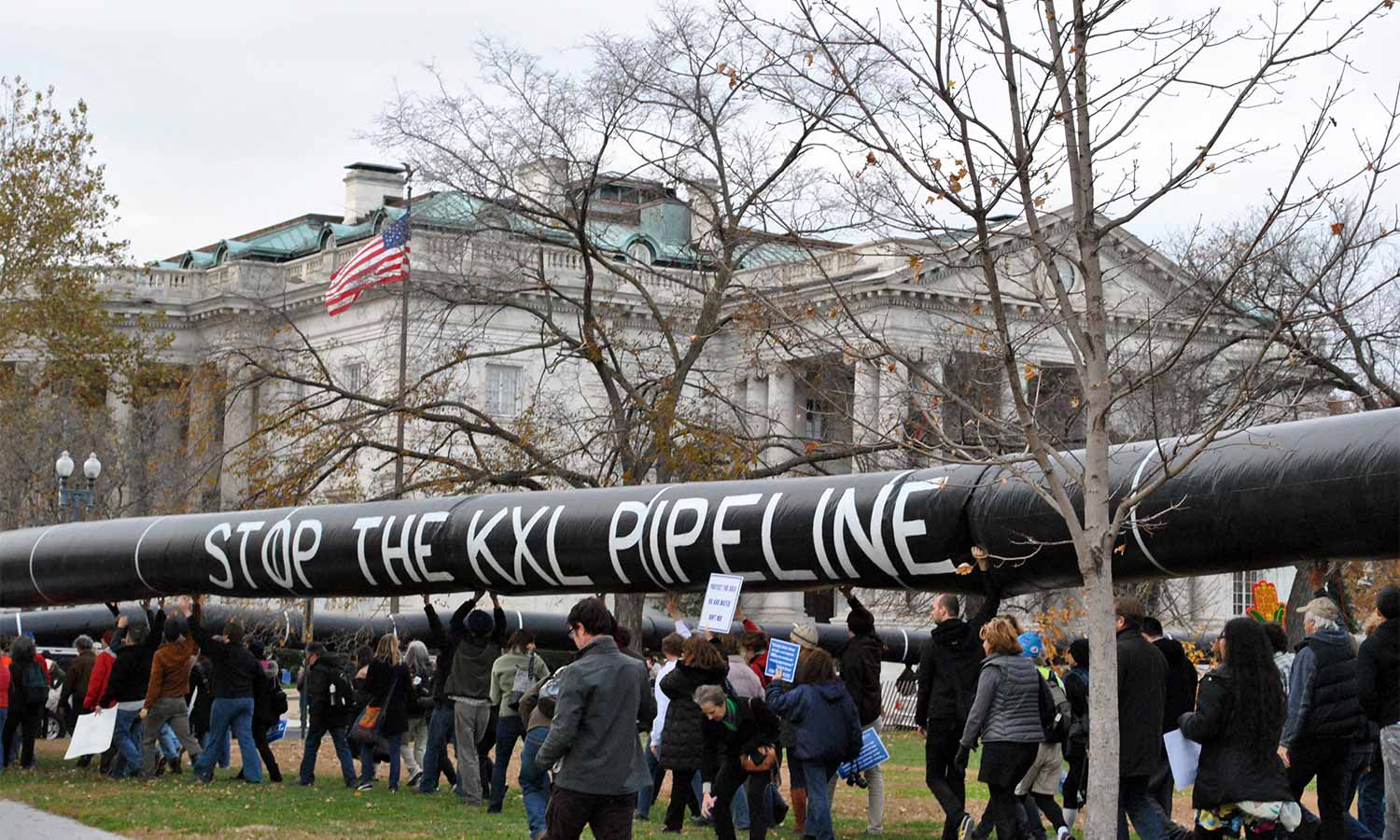
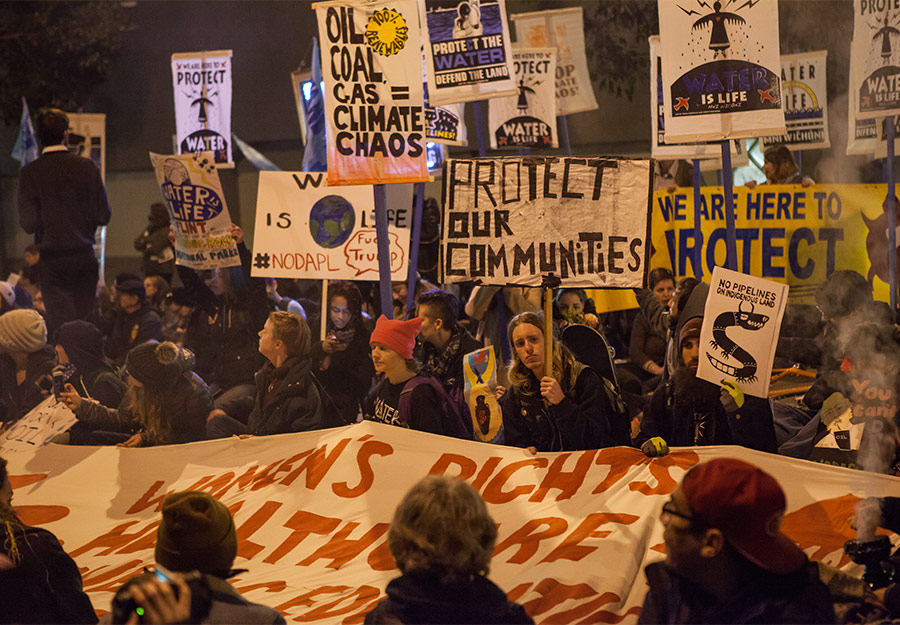
The pipeline followed a long settler-history of infrastructural and developmental displacement and erasure of Indigenous communities across North America. Protestors at Standing Rock, marchers at the White House and countless movements against the pipeline have echoed the need to listen and respect Native voices, customs and treaties in order to move towards a mutually beneficial relationship between the economy and the land.
Supporters of the pipeline remain vigilante even after the recent news of cancellation. Albertans, oil-industry workers and large energy corporations such as (TransCanada) TC Energy, have pushed for the pipeline on the assertion it will secure thousands of jobs for both Americans and Canadians, as well as ensure more affordable oil prices and refining efficiency. TC Energy’s recent press release asserted, “Overall, construction of Keystone XL will support nearly 60,000 direct, indirect and induced employment opportunities, generating billions of dollars in new personal income for U.S. and Canadian workers and their families.” Investing billions of dollars in the development of their oil sands, Alberta’s provincial government has committed to expanding the industry despite growing extraction costs and falling oil prices.
In February this year, ExxonMobil, BP and Shell released annual reports for 2020 showing major losses, with ExxonMobil posting for $22.4 billion, BP for $20.3 billion and Shell for $21.7 billion in losses. Executives made on average $220 million dollars while 4,400 employees got laid off the same year. 40% of those who work in the oil industry fill minimum wage jobs at gas stations. During his time in office Donald Trump asserted the pipeline would generate 28,000 jobs for Americans, when in retrospect, the pipeline’s construction would only prolong the fate of a dying industry. With a recent surge in environmental awareness, more discussion is being had on the benefits of green economics in efforts to disassemble the industrial myth which links fossil fuel expansion to economic prosperity and job abundance.
A report conducted by Greenpeace, the Alberta Green Economy Network and Gridworks Energy Group says Alberta could create more than 145,000 jobs by investing more heavily in renewable energy, energy efficiency and public transit. At the moment, a quarter of the vacant green jobs in Canada are in Alberta. By shifting funding and infrastructure towards a regenerative green economic model, employment would see a boost while oil prices drop, and carbon missions would significantly reduce, helping a plentiful ecosystem and renewable energy industry maintain steady long-term abundance. Estimates from the report show a promise of 68,400 jobs becoming available in energy efficiency upgrades on more than 183,000 older homes and other buildings, another 30,000-40,000 jobs would come from building LRT lines, bike lanes, sidewalks and sustainable transportation infrastructure, as well as almost 50,000 jobs with the expansion of renewable energy such as wind and solar power, compared to the 15,000 jobs promised by the provincial government and TC Energy if Keystone XL is approved.
With green economics, a focus on regenerative models of resource extraction and power production is imperative to secure long term prosperity for generations to come. This shift is needed swiftly and boldly, as the effects of climate change can be felt around the world in irregular and catastrophic weather patterns as well as major loss of natural life.
Credit: Pax Ahimsa Gethen
President Biden’s cancellation of the Keystone XL Pipeline is the push national economies and lawmakers need to forgo the abusive relationship with fossil fuels that dominated the industrial past and begin developing infrastructure and education around a sustainable economy. As global discourse begins to address and respond to the global climate crisis we find ourselves in, international efforts are being put in place to ensure countries value their ecosystems, future generations, and vulnerable communities over the economic gain of a few, namely fossil fuel giants such as TC Energy. This requires active participation from the public in demanding widespread environmental education and the respect and repatriation of marginalized demographics, particularly the Indigenous communities of the land.
Words: Hiba Zubairi


