
One Earth – Environmental Short Film
One Earth is an environmental short film I created and edited to help raise awareness about our impact on our environment day to day.
One Earth – Environmental Short Film by Romain Pennes

One Earth is an environmental short film I created and edited to help raise awareness about our impact on our environment day to day.
One Earth – Environmental Short Film by Romain Pennes
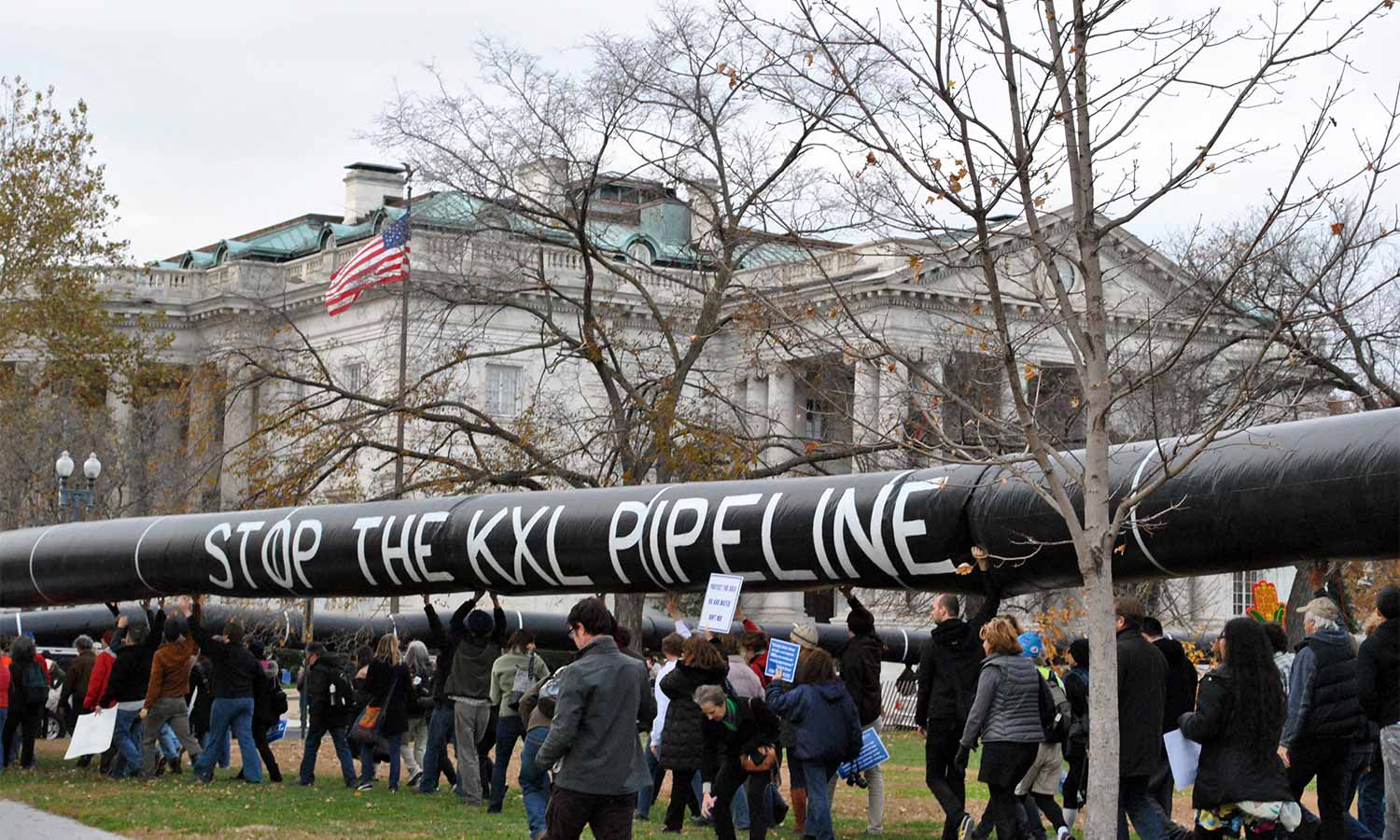
Fresh in office, one of newly-inaugurated President Joe Biden’s first significant acts has been the release of an executive document outlining the swift cancellation of the Keystone XL Pipeline.
Proposed by TransCanada Energy in 2008 as a transcontinental expansion to an existing pipeline network, Keystone XL would be a 2,735-kilometer-long tube responsible for carrying roughly 800,000 barrels of oil from Alberta to refineries on the American Gulf Coast. Subject to public scrutiny and resistance, the pipeline has been a controversial deal since its inception, garnering outrage for its harmful effects on the environment, national economies, and local communities.

With Joe Biden’s recent announcement of cancellation, outrage and panic have broken amongst Canadian-Albertan lawmakers and fossil fuel corporations. In anticipation of the pipeline producing jobs for Albertans, at the beginning of 2020, the provincial government of Alberta agreed to invest $1.5 billion in Keystone XL, followed by a $6 billion loan guarantee in 2021. News of cancellation has led Alberta’s premier, Jason Keeney, to demand the federal government use trade sanctions to put pressure on the United States to reverse the decision. Environmental groups, indigenous communities, and activists across both countries are urging the abandonment of the project to pursue long-term economic solutions in the green economy.
Initial opposition to the project began in 2009, when Nebraska, the last state to approve the pipeline, raised concerns on behalf of its farmers who believed the pipeline would negatively impact their livestock and harvest. This concern grew into lawmakers urging the national State Department for greater environmental oversight on the project, and the Environmental Protection Agency questioning the need for an expansion.
A number of reports were carried out by various environmental agencies, groups and research collectives which found the pipeline extension would have exacerbating consequences on global climate change as well as immediate consequences on regional ecosystems, habitats and wildlife. The Centre for Ecological Diversity stated in an in-depth audit of the project, “Our analysis found that at least 12 threatened and endangered species in four states would be put in harm’s way by the proposed pipeline…Threats from this project include habitat destruction from the massive ground disturbance this pipeline would’ve caused, bird deaths from power line collisions, and the potentially catastrophic impacts of pipeline spills.” With an average of 1.9 oil spills a year, the Keystone Pipeline would release roughly 34,000 gallons of tar sand oil into the surrounding environment every year, devastating local wildlife.
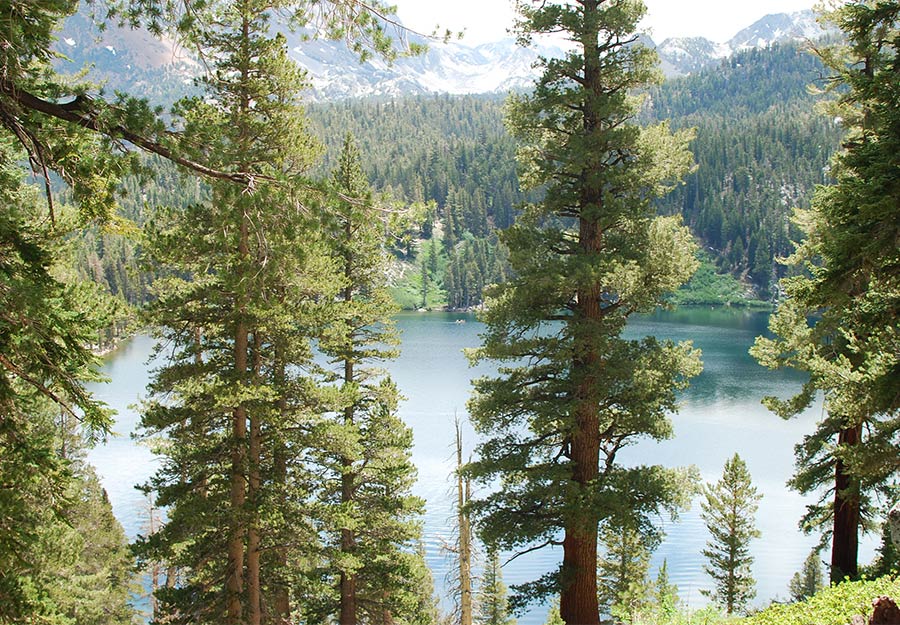
Extraction and construction would have led to the rapid decline of the Boreal Forest in Alberta, and a significant loss of fauna due to destruction of habitats. The pipeline’s construction would have brought the need for new road systems and powerlines, extensively disturbing ground life like foxes, as well as creating collision hazards for airborne wildlife such as cranes and bats.
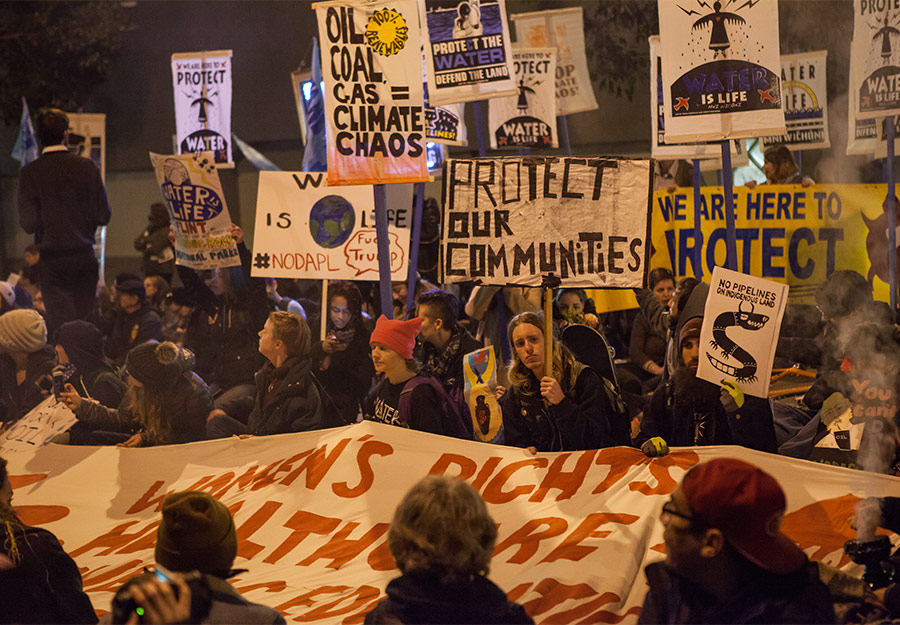
Due to extensive and detrimental environmental consequences, the communities which the pipeline was set to pass through raised concerns regarding their livelihood, long-term health, and safety, for themselves as well as their agriculture, livestock and ecosystem, and the legality of the deal. First Nations groups in Alberta have gone as far as to sue the provincial government for damages caused by 15 years of oil sand development on traditional land, which they were not consulted on. In the United States, the Rosebud Sioux Tribe filed a federal lawsuit against the Department of Interior and Bureau of Land Management over their issuing a construction permit for Keystone XL. The tribe asserts that the permit issued is unconstitutional due to the negligence and failure to uphold treaty rights. The lawsuit states the government was unsympathetic to the long-term damage Keystone XL would inflict on Sioux homeland, failing to even evaluate an alternate route.
The pipeline followed a long settler-history of infrastructural and developmental displacement and erasure of Indigenous communities across North America. Protestors at Standing Rock, marchers at the White House and countless movements against the pipeline have echoed the need to listen and respect Native voices, customs and treaties in order to move towards a mutually beneficial relationship between the economy and the land.
Supporters of the pipeline remain vigilante even after the recent news of cancellation. Albertans, oil-industry workers and large energy corporations such as (TransCanada) TC Energy, have pushed for the pipeline on the assertion it will secure thousands of jobs for both Americans and Canadians, as well as ensure more affordable oil prices and refining efficiency. TC Energy’s recent press release asserted, “Overall, construction of Keystone XL will support nearly 60,000 direct, indirect and induced employment opportunities, generating billions of dollars in new personal income for U.S. and Canadian workers and their families.” Investing billions of dollars in the development of their oil sands, Alberta’s provincial government has committed to expanding the industry despite growing extraction costs and falling oil prices.
In February this year, ExxonMobil, BP and Shell released annual reports for 2020 showing major losses, with ExxonMobil posting for $22.4 billion, BP for $20.3 billion and Shell for $21.7 billion in losses. Executives made on average $220 million dollars while 4,400 employees got laid off the same year. 40% of those who work in the oil industry fill minimum wage jobs at gas stations. During his time in office Donald Trump asserted the pipeline would generate 28,000 jobs for Americans, when in retrospect, the pipeline’s construction would only prolong the fate of a dying industry. With a recent surge in environmental awareness, more discussion is being had on the benefits of green economics in efforts to disassemble the industrial myth which links fossil fuel expansion to economic prosperity and job abundance.
A report conducted by Greenpeace, the Alberta Green Economy Network and Gridworks Energy Group says Alberta could create more than 145,000 jobs by investing more heavily in renewable energy, energy efficiency and public transit. At the moment, a quarter of the vacant green jobs in Canada are in Alberta. By shifting funding and infrastructure towards a regenerative green economic model, employment would see a boost while oil prices drop, and carbon missions would significantly reduce, helping a plentiful ecosystem and renewable energy industry maintain steady long-term abundance. Estimates from the report show a promise of 68,400 jobs becoming available in energy efficiency upgrades on more than 183,000 older homes and other buildings, another 30,000-40,000 jobs would come from building LRT lines, bike lanes, sidewalks and sustainable transportation infrastructure, as well as almost 50,000 jobs with the expansion of renewable energy such as wind and solar power, compared to the 15,000 jobs promised by the provincial government and TC Energy if Keystone XL is approved.
With green economics, a focus on regenerative models of resource extraction and power production is imperative to secure long term prosperity for generations to come. This shift is needed swiftly and boldly, as the effects of climate change can be felt around the world in irregular and catastrophic weather patterns as well as major loss of natural life.
President Biden’s cancellation of the Keystone XL Pipeline is the push national economies and lawmakers need to forgo the abusive relationship with fossil fuels that dominated the industrial past and begin developing infrastructure and education around a sustainable economy. As global discourse begins to address and respond to the global climate crisis we find ourselves in, international efforts are being put in place to ensure countries value their ecosystems, future generations, and vulnerable communities over the economic gain of a few, namely fossil fuel giants such as TC Energy. This requires active participation from the public in demanding widespread environmental education and the respect and repatriation of marginalized demographics, particularly the Indigenous communities of the land.
Words: Hiba Zubairi

Living walls are vertical structures that can be used as an effective method of integrating living nature into urban environments, transforming the exterior aesthetically whilst producing many sustainable benefits.
Installing living walls contribute many advantages; environmentally, ecologically, economically, architecturally and for the benefit of humanity. In 2020, urban greening solutions have never been more crucial and living walls represent the future of sustainable methods in architecture.
Vertical vegetation and planting systems allow highly populated and thus, polluted cities to improve air quality. Plants achieve air purification through microbes of their plant roots, extracting carbon dioxide and carbon monoxide, transforming both into nutrients during photosynthesis.


Statistics highlight that 1 m2 of greenery can extract 2.3kg of CO2 from the air per annum and produce 1.7kg of Oxygen. Vegetation enables a barrier to form between traffic emissions and adjacent areas, significantly reducing CO2 levels within urban areas. Living Walls produce a low Carbon Footprint. Plants absorb 50% of sunlight and reflect 30%, thus a cooler and more pleasant climate is achieved. Due to this, the internal environment requires 33% less air conditioning in summer months and further energy savings are made.
Selecting an optimal configuration of plants can considerably increase biodiversity, attracting a colourful variety of insects, butterflies and birds into a given area, creating a more sustainable ecosystem in urban environments. Especially within a city environment, mainly constructed of concrete and asphalt. Living Walls provide a natural rainwater buffer. The absorption of the rainwater delays the discharge to sewage systems and purifies the water. Water can also evaporate through the plants. This natural system helps stabilise groundwater levels, reduces peak loads onto sewage systems and thus, reduces any risks of flooding. Introducing vertical gardening techniques increases available space for growing produce in urban environments.


Green walls reduce UV exposure damage to buildings, provide protection from weather and temperature fluctuations, therefore prolonging the lifespan of the structure and significantly reduce maintenance costs. The Living Wall can achieve a lifespan of up to 25 years, outliving many outdated construction materials. Maintenance can be also achieved using a rainwater harvesting tank, or manually filled during summer months, ensuring an adequate supply of irrigation water, which is distributed evenly. Gravity pulls excess water downward, ensuring no waste. Their sustainable qualities prove energy-cost efficient too.
Plant transpiration processes not only reduces overall temperatures of buildings when exposed to sunlight but also limit the amount of heat escaping during winter months and reduce the interior temperature during summer months. Living Walls create a fire-resistant layer.
Due to plants naturally containing high moisture levels, a natural fire-resistant layer is added. Living walls are visual indicators and representatives of sustainable design. Enabling qualification for additional eco-accreditation and sustainability schemes, which can contribute to successful planning applications. The natural and sustainable aesthetic, combined with consequent energy reduction costs, increase the properties value. Studies show buildings which are viewed as a symbol of positive social and environmental performance, is an attractive quality.
Studies highlight that a connection with nature provides uplifting and calming effects, whilst positively impacting stress and mend mental fatigue . Due to the human bodies natural 1 reaction whilst being surrounded by natural elements2. Positive moods enhance learning and more efficient decision making. A green workspace result in a 15% increase in productivity and therefore positively effects overall satisfaction. In addition to health impacts, improved air quality has proven to advance alertness and cognitive abilities3. Living Walls encourage social interaction and deter vandalism. Studies demonstrate that greenery positively effects social cohesion in neighbourhoods. Living walls enable a reduction of noise pollution too, creating a suitable environment for various occupants. They are able to act as an additional sound barrier. By absorbing 41% more sound (in comparison to traditional facades) a reduction of up to 3 dB is achieved.

There are various forms of living walls available. The archetype descriptions vary according to space, size and model type. Living wall production and design consistently evolve and develop, in keeping with contemporary requirements and flexible environments. Modern techniques encouraging and supporting growth of biodiverse plantation, producing a deliberate and controlled covering of the facade, has evolved in recent years.
Words: Jessie Buckle
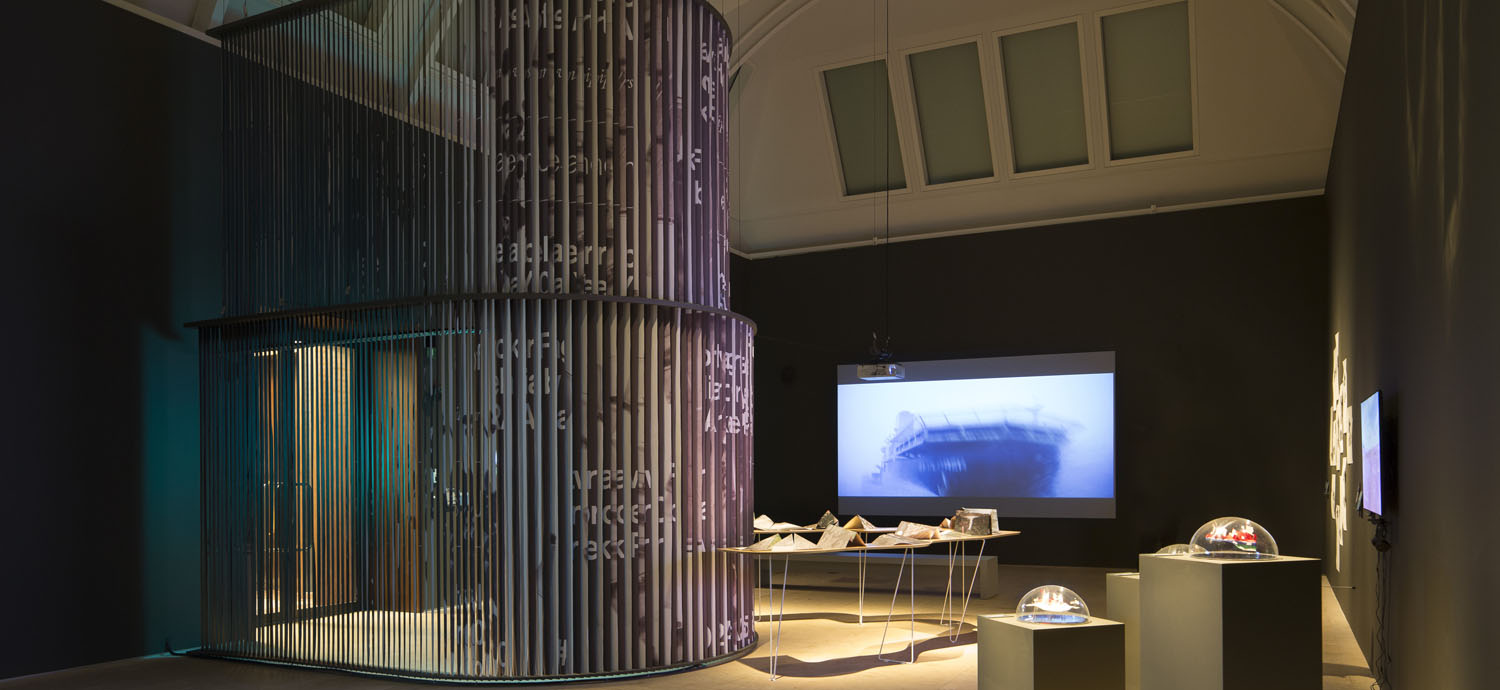
Delvendahl Martin were appointed to design the exhibition for Eco-Visionaries (open until 23 February 2020) at the Royal Academy of Arts, which has been jointly curated by Gonzalo Herrero Delicado, Architecture Programme Curator at the Royal Academy of Arts, Pedro Gadanho, architect, curator and author, and Mariana Pestana, architect, curator and co-founder, The Decorators.

Eco-Visionaries examines humankind’s ecological impact on the planet and brings together artists, designers and architects from across the globe who are confronting these environmental issues through their practice.
At this critical moment in the history of the planet, the exhibition will present innovative works that reconsider the relationship between humans and nature and offer alternative visions for the future.

The exhibition features works by 21 international practitioners in a wide range of media, including film, sculpture, immersive installation, architectural models and full-scale prototypes, all interrogating how art and architecture can help us respond to a rapidly changing world. Highlights include works by Unknown Fields ( featured in Design Exchange #FutureForecast edition in print and also featured online here), the artist collective Rimini Protokoll. Their immersive installation, Win > < Win (2017), explores ecological empathy by confronting audiences with live jellyfish, a species actually benefitting from the effects of global warming. Alexandra Daisy Ginsberg’s new project, The Substitute (2019), draws upon archival footage in conjunction with experimental data to enable visitors to come face-to-face with a life-size digital reproduction of a northern white rhinoceros. The last male of the subspecies died in 2018. These provocative responses are a wake-up call, urging us to acknowledge and become conscious of our impact on our environment.
Other Participants in the exhibition include: HeHe, Ana Vaz and Tristan Bera, Tue Greenfort, Carolina Caycedo, Nerea Calvillo / In the Air, Olafur Eliasson Hon RA, Virgil Abloh, Pinar Yoldas, Basim Magdy, Dunne & Raby, New-Territories (S/he), Ant Farm Andrés Jaque / Office for Political Innovation Futurefarmers, Philippe Rahm Architectes, Studio Malka Architecture, WORKac, SKREI

“Eco-Visionaries has offered an opportunity to critically reflect on this culture and mind-set surrounding the delivery of exhibitions in terms of sustainability. The approach was therefore to build little from scratch, making use of existing resources and reclaimed materials as much as possible. Free-standing plinths and furniture have been borrowed and salvaged from recent and past exhibitions.“


“The caption ledges throughout have been designed to be fabricated with recycled wood and board material, using up offcuts to minimise waste and providing a resource that can be used for future exhibitions. In the design of the partition screens, which are made from promotional banners from previous exhibitions, we have explored the re-use of an available resource to produce something altogether new.”

The technical and fabric solutions for the structure have been developed in collaboration with textile designer and upcycling expert, Barley Massey, to produce an intervention which is modular, efficient and cost effective – for which a life beyond this exhibition is envisaged. Elsewhere, single-use plastics are being avoided altogether, instead using sustainable materials that are chosen for their low environmental impact, such as plywood, paper and card, recycled wherever possible.

Delvendahl Martin worked in collaboration with Daly & Lyon, who developed the graphics strategy, to ensure that these aims extended throughout every aspect of the design. The use of vinyl is avoided completely, instead, introductory texts are printed direct to surface, using vegetable based inks, onto boards made from recycled cellulose fibres. Caption labels are made from recycled post-consumer waste and simply placed onto the graphics ledges in order to minimise the use of adhesives. Scale was determined by standard sizes so as to eliminate wastage, and information was reduced to the essential only, thereby minimising printing and ink usage. Fundamentally, the aim throughout is to reduce process, material demand, carbon footprint and waste, by proposing an efficient design which relies on a few carefully placed interventions to organise the space.

Delvendahl Martin has established a solid track record designing exhibitions and gallery spaces. Projects in this field include the exhibition design for 2014 Gwangju Biennale, The World Goes Pop at Tate Modern, Andreas Gursky and Diane Arbus, both at the Hayward Gallery in London.
The practice has recently worked alongside curator Ralph Rugoff on the exhibition design for the 58th International Art Exhibition of La Biennale di Venezia, which opened in May this year. Work in this field has illuminated for the practice the potential wastefulness of the exhibition industry and the way in which high-quality bespoke interventions, which are constructed from scratch, often have no life beyond the exhibition and are disposed of.
The practice, therefore, is increasingly working to implement an approach which brings sustainability to the forefront of the design process and delivery, for example through the use of locally sourced plywood at the Venice Biennale, a material that, unlike plasterboard, can be easily recycled and re-used following exhibition takedown.
Fridays For Future in Vienna has a new anthem in English for the Fridays For Future movement.


Where We Hang Out
Get in Touch
Working alongside


