
“Rapid Response Restitution” the theme for Lagos Photo Festival
A call went out to the world in May 2020, in the first few gruelling months of the COVID-19 pandemic, inviting homebound individuals to participate in the construction and curation of a new, reimagined museum.
LagosPhoto20, a pan-African collective of photographers, artists, and creators, announced the theme for 2020’s Lagos Photo Festival as “Rapid Response Restitution.” The invitation to participate read, “As we go about our busy lives, we often forget the small things worth preserving – what we are calling ‘objects of virtue’ – objects that are important to each person, family, and home.”

Since 2010, LagosPhoto has been organising the annual Lagos Photo Festival around a curatorial theme, guided by the need to record and narrate urgent socio-political issues. Founded by Nigerian curator Azu Nwagbogu and co-directed in 2020 by curator Dr. Clémentine Deliss, Lagos Photo Festival has iterated itself into an important space of discourse in contemporary pan-African photography and art. In the exceptional year of 2020, with all the challenges of global epidemics and widespread lockdowns, Lagos Photo Festival re-contextualized itself into an online, grassroots project, freely accessible to view or participate in for anyone with Internet access. This focus on widespread participation and decentralised curation entirely in keeping with the theme of “Rapid Response Restitution”.
Since the 1970s, independent African nations which were former European colonies have been demanding cultural repatriation through the return of historical artefacts to their place of origin. These demands have been met with objection and countless debates, raising questions about the ethics of collecting and curating as practiced by modern museums. LagosPhoto’s curatorial theme, “Rapid Response Restitution”, takes a participatory approach to the discourse around the imbued significance, ownership, and displacement of material history.
The curatorial theme was enriched in collaboration with guest curator, Nigerian cultural and architectural historian Dr. Oluwatoyin Sogbesan, and Berlin-based Armenian art curator Asya Yaghmurian. Extensive assessment of Nigerian public and private museums revealed a need for museums to shift from “monopolies of control” to cultural dialogues where artefacts are not state-owned but rather inherently diasporic. The call for submissions to the Home Museum hoped to shift the focus from museum directors and academics to people; children, family and communities, and the vital role they play in the museum of the future.

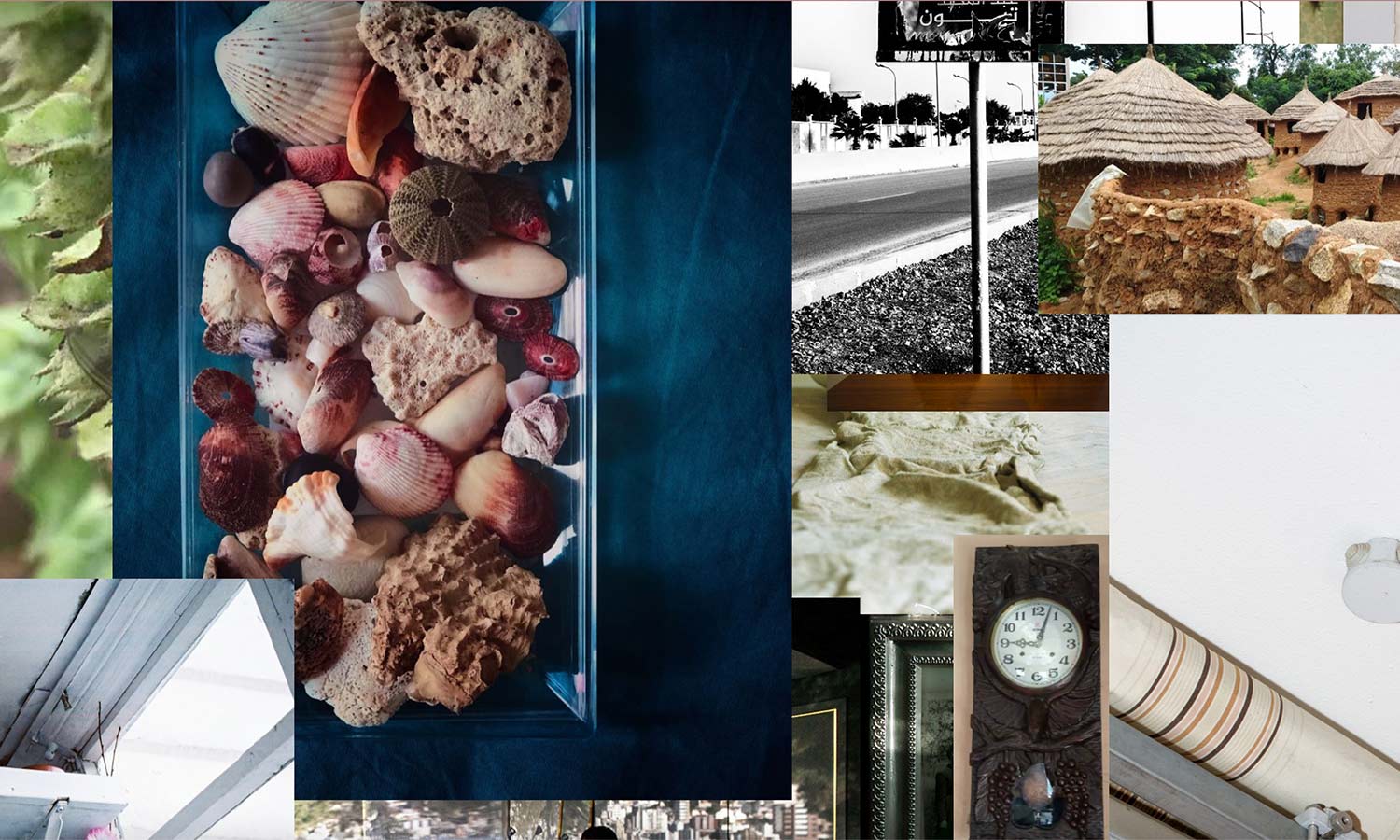
The guidelines were simple and straightforward, to take part, all you needed was a camera phone to take pictures of the ‘objects of virtue’ in your home museum, and email a maximum of twelve images to LagosPhoto20. By July, more than 240 submissions had been received “in Yoruba, Igbo, Hausa, Swahili, Wolof, Pidgin, English, French, Russian and Chinese.” A month later the geographic span of the project had reached beyond Africa to South America, Western Asia, Russia, and China. Submissions included VHS players, old photos, hand-woven carpets, vases, stoves, and everything in between. Some images were of rooms staged to be museum displays, while others expanded the meaning of home beyond the built environment by taking pictures of objects in the street or neighbourhood park.
The online Home Museum was constructed in collaboration with Birds of Knowledge, a diverse artists’ research cooperative studying at the Hamburg University of Fine Arts. Inspired by the collective spirit of the project, the infrastructure for the website sought to be autonomous and user-driven, separating the Home Museum from harmful methods of classification and curation found in traditional museums.

One method of navigation includes the random organisation of artefact images which the user may wander through to discover their own poetry and personality. The other sees A-Z categorization of artists’ names to help visitors find family and friends. As the user discovers the museum, they are able to collect different entries into a personal assemblage, building their own curation of artefacts to engage in a conversation with other participants via their curations. These processes of discovery, curation, and discussion seek to challenge the rhetoric of a Euro-centric perspective which is often at the heart of museum curation, by granting the visitor agency over what items they deem significant in their personal narrative. Displayed without mention of gender, age, or nationality, the Home Museum seeks alternate routes of restitution amongst artefacts instilled with significance through the thoughtful devotion of their possessors. In doing so, artefacts disengage with harmful power dynamics and are maintained as vessels of meaningful learning without the trauma of displacement.
Having gone live on November 7th, 2020, the Home Museum continues to expand with the promise of growing into an open-source digital archive to preserve and democratize material history across the world. Visit the museum at https://homemuseum.net/
Words: Hiba Zubairi


