
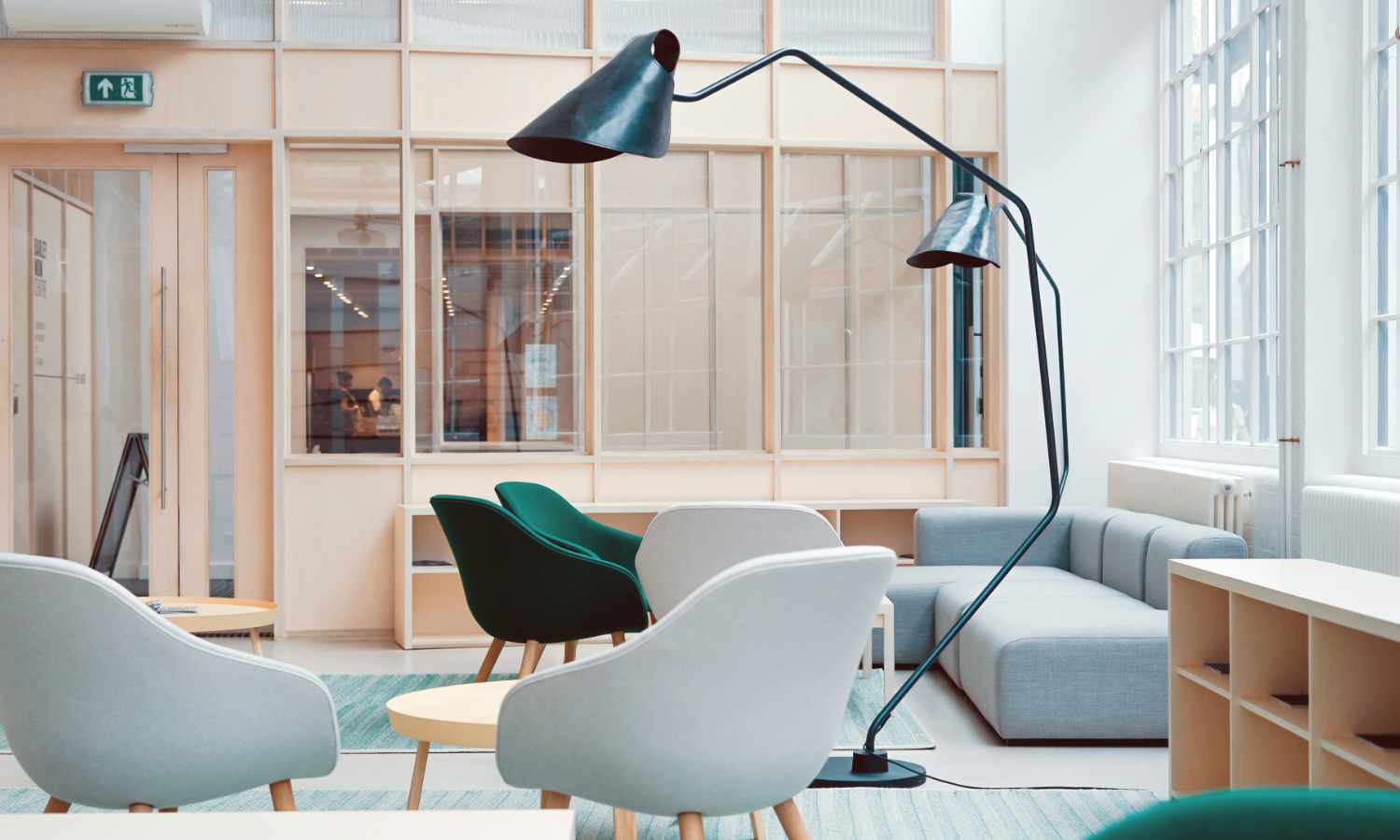
Elevating Your Living Space: Design Trends and Innovative Home Appliances
The concept of home has always been synonymous with comfort and personal expression. Today, interior design transcends mere aesthetics, weaving in elements of functionality, technology, and environmental consciousness. This article delves into the latest trends and innovations in home design, revealing how they can elevate not just the visual appeal of your living space, but also its practicality and sustainability. From the textures that enliven a room to the smart appliances that bring convenience and efficiency, we will explore how these elements can be harmoniously integrated into modern homes. This journey through contemporary interior design aims to inspire and inform, offering insights into creating spaces that are both beautiful and beneficial to our daily lives.
Current Trends in Interior Design
The realm of interior design is constantly evolving, with current trends reflecting a blend of comfort, functionality, and style. Minimalism continues to hold sway, favouring clean lines and uncluttered spaces that promote tranquillity and ease. However, there’s a growing inclination towards ‘Japandi’ – a fusion of Japanese simplicity and Scandinavian functionality, characterised by natural materials, muted colours, and minimal ornamentation. Biophilic design, which integrates natural elements like plants, water features, and ample natural light, is also gaining prominence, offering a sense of connection to the outdoors. Additionally, the resurgence of vintage and artisanal pieces reflects a desire for uniqueness and personalisation in home decor. These trends collectively point towards a more mindful approach to design – one that values quality, sustainability, and personal expression.
The Role of Colour and Texture
Colour and texture are pivotal in shaping the atmosphere of a room. The current trend leans towards a palette that combines calming neutrals with bold accents. Soft pastels like blush pink and sage green are often juxtaposed with deep blues or a vibrant terracotta, creating a dynamic yet harmonious look. Textures, too, play a crucial role in adding depth and interest. Rich, tactile materials such as velvet, bouclé, and natural fibres are increasingly popular, providing both visual and sensory pleasure. Wall finishes, from matte paint to textured wallpapers, add layers of complexity, while flooring choices like hardwood and patterned tiles contribute to the room’s overall character. The strategic use of colour and texture can transform a space, making it visually appealing and emotionally resonant.
Smart Appliances for Smart Homes
The integration of smart appliances into home design is a testament to the seamless blend of style and technology. Today’s market offers an array of smart devices that enhance convenience and contribute to a home’s aesthetic. Smart refrigerators with touch screens, voice-activated assistants, and energy-efficient washing machines that can be controlled remotely are becoming commonplace. These appliances are designed with sleek lines and modern finishes, ensuring they complement the interior decor. The rise of smart home ecosystems allows these devices to be interconnected, providing homeowners with the ability to control lighting, heating, and security systems from a single interface. The adoption of these smart appliances signifies a shift towards homes that are more responsive, efficient, and attuned to the needs of their inhabitants.
Space Optimisation Techniques
Maximising space, particularly in compact homes, is a critical aspect of modern interior design. The key lies in intelligent layout planning and multi-functional furniture. Wall-mounted shelves, hidden storage solutions, and convertible furniture pieces are increasingly popular for their space-saving properties. Designers are focusing on creating furniture that can adapt to different needs, like beds with built-in storage or extendable dining tables. Mirrors are also strategically used to create an illusion of space, making rooms appear larger and more open. In addition, the thoughtful division of areas using screens or open shelving ensures that spaces remain airy and connected, while still providing distinct functional zones. By employing these techniques, even the smallest of spaces can be transformed into comfortable, stylish, and practical living areas.
The Evolution of Home Heating
Heating systems have undergone significant transformations, becoming more efficient, compact, and aesthetically pleasing. A key development in this evolution is the rise of combi boilers. These systems are lauded for their efficiency and space-saving design, making them a popular choice in modern homes. Combi boilers provide both heating and hot water without the need for separate water tanks, offering a streamlined solution that fits well in smaller spaces. Additionally, the latest models of combi boilers are designed with both functionality and aesthetics in mind, ensuring they integrate smoothly into various interior styles. The best combi boilers on the market not only enhance the efficiency of home heating but also contribute to the overall design ethos of contemporary living spaces, merging practicality with style.
Sustainable and Eco-Friendly Choices
Sustainability in interior design is no longer optional but a necessity for a responsible lifestyle. This approach extends beyond the choice of materials to the very ethos of how we design our living spaces. Eco-friendly design choices include the use of recycled or sustainable materials like bamboo, cork, and reclaimed wood. These materials are not only environmentally responsible but also add warmth and character to the home. Energy efficiency is another crucial aspect, with LED lighting and energy-saving appliances becoming standard in eco-conscious homes. Water conservation efforts, such as low-flow faucets and dual-flush toilets, are also gaining popularity. Moreover, the use of non-toxic paints and adhesives contributes to better indoor air quality. By making sustainable choices, homeowners can create spaces that are aesthetically pleasing and kinder to the environment, ensuring a healthier planet for future generations.
Lighting: Setting the Mood and Style
Lighting in interior design is crucial for creating the right ambiance and enhancing the aesthetic appeal of a space. It goes beyond mere functionality; it’s about setting a mood, highlighting key features, and complementing the overall design theme. The current trend leans towards a mix of statement lighting and subtle, ambient sources. Pendant lights and chandeliers act as focal points, especially in living and dining areas, while LED strip lighting and smart, dimmable bulbs offer versatility in mood setting. The choice of lighting fixtures is also an opportunity to add a touch of personal style – from industrial metal finishes to elegant glass or organic, woven materials. Task lighting in kitchens and studies has become more sophisticated, focusing on efficiency and comfort. The thoughtful placement and selection of lighting can dramatically transform a space, creating depth, warmth, and a welcoming atmosphere.
Personalising Your Space
Creating a personal touch in your living space is about more than just selecting furniture and colour schemes; it’s about infusing your personality into every corner. Personalisation can start with displaying cherished collections, family photographs, or artwork that speaks to your experiences and tastes. Customisation can also come through DIY projects, like upcycling furniture or creating your own wall art. Textiles play a significant role too; choosing unique cushions, throws, or rugs can add warmth and character. Even small details like distinctive door handles, quirky bookends, or a statement clock can make a space distinctly yours. Incorporating personal mementos and handpicked items ensures that your home is not just stylish, but also a true reflection of who you are.
Furniture Selections for Modern Spaces
Choosing furniture for modern spaces involves balancing aesthetics with functionality. In contemporary interiors, furniture with clean lines and minimalistic designs are often preferred. Modular and flexible pieces, like sectional sofas or extendable tables, are increasingly popular for their adaptability in various layouts. Materials also play a crucial role; natural woods, metals, and glass are widely used for their timeless appeal and durability. For a touch of sophistication, designer pieces or mid-century modern classics can serve as focal points. Multi-functional furniture like sofa beds, ottomans with storage, or wall-mounted desks can be both practical and stylish in smaller spaces. The key is to select pieces that not only suit the current design trends but also cater to the specific needs and dimensions of your space.
Tech-Forward Living: The Rise of Home Automation
The integration of home automation technology marks a significant shift in how we interact with our living spaces. Smart home systems, encompassing everything from lighting and temperature control to security and entertainment, are transforming homes into interconnected, responsive environments. Voice-activated assistants, programmable thermostats, and automated blinds are just a few examples of how technology can enhance convenience and efficiency. These systems can be tailored to individual preferences, learning routines, and adjusting settings for optimal comfort. Moreover, the aesthetic integration of this technology has improved, with sleek, unobtrusive designs that seamlessly blend into modern decor. The rise of home automation represents a leap in technological advancement and offers a more personalised, intuitive living experience.
Innovative Storage Solutions for Clutter-Free Living
Innovative storage solutions play a vital role in the quest for a clutter-free living space. Designers are increasingly focusing on creating smart storage options that are functional and aesthetically pleasing. Built-in shelves and hidden compartments are popular for maximising space without compromising the design. Modular storage systems offer flexibility, allowing homeowners to customise according to their specific needs. For small spaces, multi-functional furniture with integrated storage is a game-changer, providing utility without clutter. Even staircases and under-bed spaces are being utilised for extra storage. These creative solutions help maintain a tidy, organised home, ensuring that every item has its place, contributing to a serene and orderly living environment.
The Psychology of Space: Designing for Wellbeing
Designing spaces with wellbeing in mind involves understanding the psychological impact of the environment on its inhabitants. The layout, colour scheme, lighting, and even the materials used can significantly affect mood and mental health. Open, airy spaces with ample natural light are known to boost mood and productivity. Choosing calming colours like blues and greens can create a serene atmosphere, while vibrant hues can energise a room. Incorporating elements of nature, whether through plants, natural light, or materials like wood and stone, can enhance feelings of calm and connectedness. Ergonomic furniture and thoughtful layout contribute to physical comfort and ease of movement. By considering these psychological aspects, interior design can create spaces that support mental and emotional wellbeing, making homes not just places to live, but places to thrive.
Creating Multi-Functional Spaces in Urban Homes
Urban homes, often limited by space, necessitate innovative approaches to maximise functionality without sacrificing style. Multi-functional spaces are the answer to this urban challenge. The key is in versatile furniture and clever layout choices. Convertible sofas, Murphy beds, and extendable dining tables are quintessential in transforming a single room for multiple purposes. Room dividers, which can double as bookshelves, offer the flexibility to alter the space as needed. A well-designed kitchen island can serve as a dining area, workspace, and storage unit. Creative use of vertical space with wall-mounted shelves or hanging bike racks frees up floor area. By carefully selecting and arranging furniture and fixtures, urban homes can be converted into versatile, multi-use spaces that are both efficient and aesthetically pleasing, providing urban dwellers with a functional yet cosy living environment.
Integrating Indoor and Outdoor Living
The integration of indoor and outdoor living spaces is a growing trend, reflecting a desire to blur the boundaries between inside and outside. This approach is not just about large glass doors or windows, although these play a significant role. It’s about creating a seamless flow, where the interior design complements the exterior and vice versa. The use of similar or complementary materials and colour palettes helps achieve this continuity. Outdoor spaces are being furnished with as much care as interiors, using weather-resistant fabrics, rugs, and comfortable seating. Indoor plants, green walls, and natural elements like wood and stone are increasingly used inside to mirror the outdoor environment. This harmonious integration enriches the living experience, offering a tranquil and cohesive space that encourages relaxation and a closer connection with nature.
Conclusion
In conclusion, elevating your living space involves a harmonious blend of design trends and innovative home appliances. Embracing current interior design trends, understanding the power of colour and texture, and integrating smart technology can transform your home into a haven of comfort and style. The evolution of home heating systems, particularly the integration of efficient combi boilers, and the commitment to sustainable choices reflect a forward-thinking approach to home design. Lighting plays a pivotal role in setting the mood and defining the style of a space, while integrating indoor and outdoor living enhances the overall living experience. This journey through various aspects of interior design demonstrates that with thoughtful consideration and creativity, it’s possible to create a living space that is visually stunning, functionally robust, and environmentally conscious.


